Water inside a property can escalate quickly. A burst pipe, leaking appliance, stormwater entry, or even just an overflowing sink has the potential to soak flooring and seep into walls within minutes.
DryX provides water extraction in Canberra that’s fast and organised. Our specialist team removes water quickly, helping to stabilise your property, limit further damage and get you back to safe conditions fast.
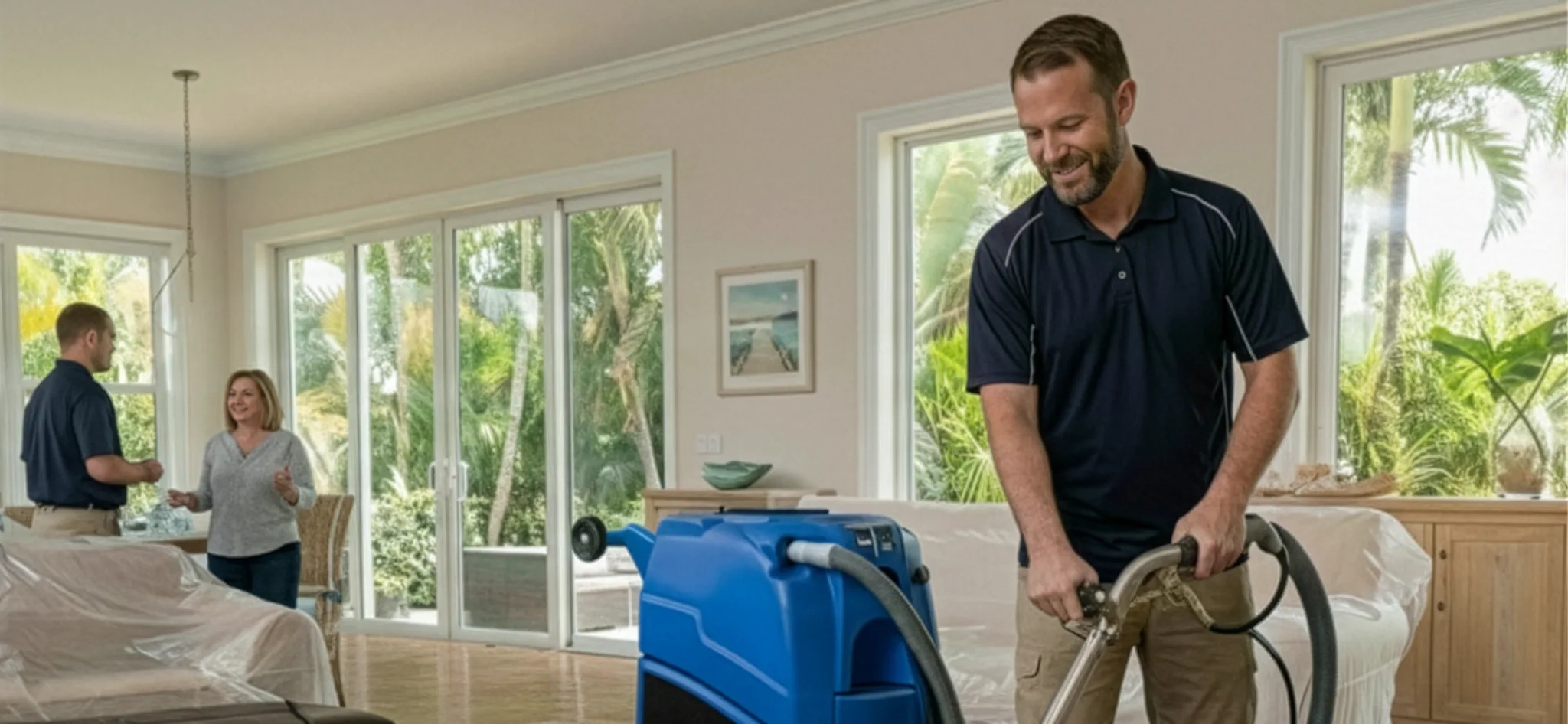
The right team for water extraction in Canberra is about rapid response, industry-leading equipment and proven restoration methods. DryX delivers all three.

Our friendly team will get
you back to business
faster in any disaster.

Thousands of Canberra
families and businesses
trust us.

State of the art drying
equipment, faster results,
saves you money.

We’re an owner-operated
business with IICRC
accreditation.
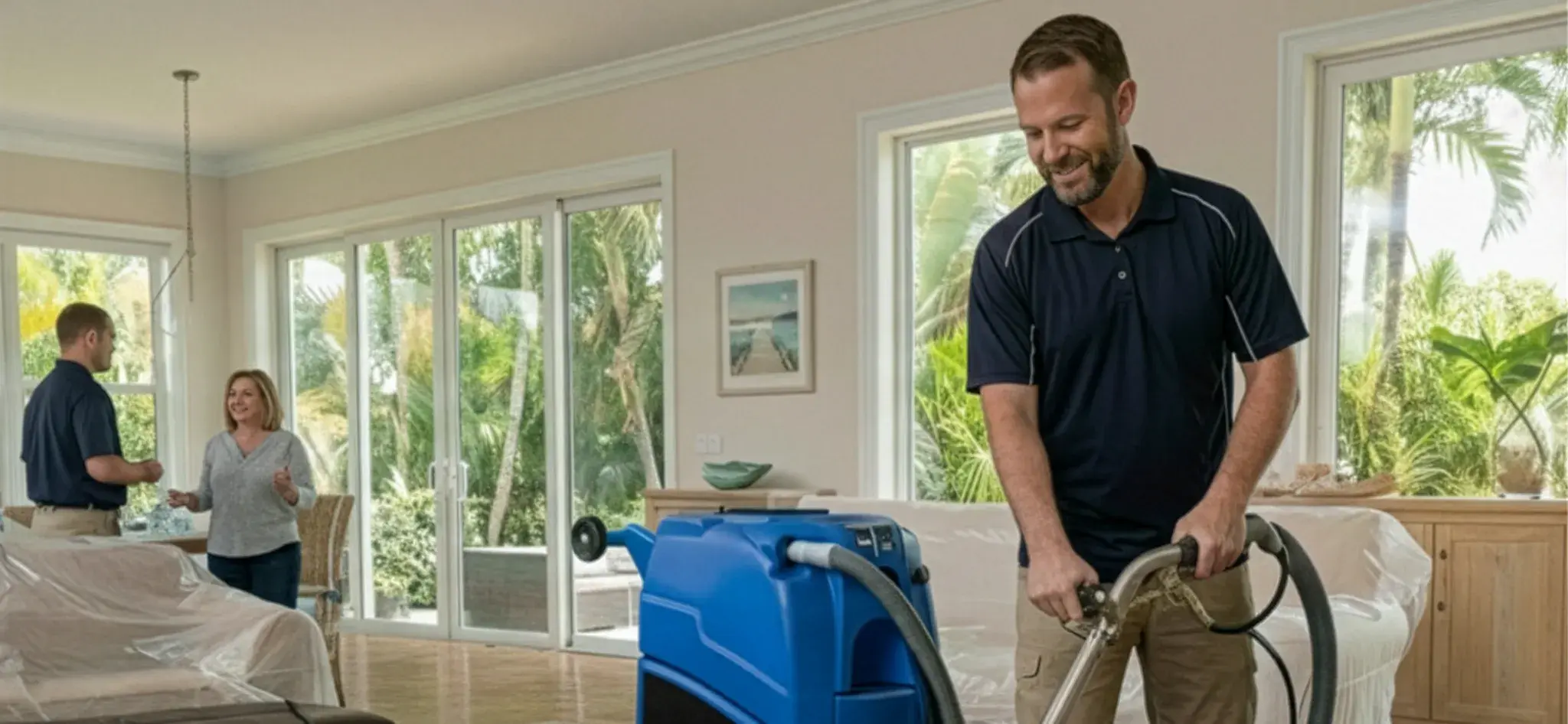
Water rarely stays where you can see it. It travels beneath skirting boards, under cabinetry, behind walls and inside structural cavities. Without proper treatment this hidden moisture will lead to mould growth, odours and structural deterioration.
Our technicians approach all water extraction in Canberra as a precision process. We drain any visible water first, then locate hidden moisture using professional detection equipment. Every stage of the water extraction process will be explained clearly so you understand exactly what is happening in your property.
We service suburbs across Australia.
Call us now on 1800 325 087.
Our approach to water extraction in Canberra is always structured and controlled. The water emergencies we deal with are all different, but we rely on a proven process that we know removes moisture quickly and safely.
We start by assessing the urgency of the situation. Our team gathers details about the water source, affected areas and potential safety risks before dispatching our Canberra water extraction team.
Once on-site, we inspect the property thoroughly. Moisture detection tools help locate hidden water beneath floors, behind walls, and inside structural cavities. This allows us to plan the most effective water extraction in Canberra for your property.
Electrical hazards are isolated and slip risks removed. Furniture and belongings are protected so the water extraction process can proceed safely.
Standing water is drained using commercial-grade equipment. Truck-mounted systems manage large flooding events, portable extractors handle confined spaces and submersible pumps remove deeper water.
Materials or items that cannot be restored are flagged and removal is discussed with you. Taking out damaged items early keeps the remaining structure dry.
All affected surfaces are cleaned down and treated using antimicrobial solutions. This step is essential for removing bacteria, contaminants and odours left behind by the water.
Industrial dehumidifiers and air movers are brought in to remove any remaining moisture from flooring, walls and internal building materials. This is one of the final steps to any water extraction in Canberra.
Moisture levels are checked regularly. Your specialist will then monitor your equipment and adjust it so all materials reach safe moisture levels.
Once drying is complete we confirm that moisture levels meet industry standards. Documentation is provided to verify that the water extraction in Canberra and drying process has been completed correctly.


Our team carries out thorough water extraction in Canberra to completely eliminate standing water. Using powerful industrial equipment, including truck-mounted extraction units, portable machines and specialised pumping systems, we’re able to handle everything from minor indoor leaks to large flooding incidents in homes or commercial properties.
Our team carries out thorough water extraction in Canberra to eliminate standing water and deeply absorbed moisture from affected areas. Using powerful industrial equipment, including truck-mounted extraction units, portable machines, and specialised pumping systems, we are able to handle everything from minor indoor leaks to large flooding incidents in homes or commercial properties.
In many situations, water extraction in Canberra is just the first step toward full restoration. When required, we continue the recovery process with services such as structural drying, humidity control, mould remediation, carpet restoration, and coordination of any repair work needed to restore the building.
Water damage often leaves excess humidity trapped within the building. Our dehumidification systems work to lower moisture levels in the air and surrounding materials after water extraction in Canberra, helping stabilise the environment and protect the property from further deterioration.
DryX performs water extraction in Canberra for homes, apartments, offices, retail spaces, and industrial buildings.
For residential properties we prioritise living comfort, flooring protection, and healthy indoor air quality. Then, for commercial buildings, we focus on safety compliance and minimising downtime so business operations can resume quickly.
Regardless of property type, every Canberra water extraction project follows the same professional standards.
If water has entered your property, don’t wait for it to dry naturally. Contacting us for professional water extraction in Canberra is the first step in preventing mould growth and even more structural damage.
Just call 1800 951 865, Email [email protected], or book online to start your quote. With our Canberra services, we can help you get back on your feet.
We provide water extraction in Canberra for burst pipes, leaking appliances, stormwater intrusion, internal flooding, and roof leaks in residential and commercial properties.
In most Canberra suburbs we aim to be on-site within 60 minutes to begin water extraction in Canberra.
Many policies cover sudden water damage. We provide photos, moisture readings, and reports to support insurance claims.
Mould prevention depends on complete water extraction in Canberra followed by controlled drying and ongoing moisture monitoring.
If safe, stop the water source and avoid electrical hazards. Avoid using household heaters or fans, as they can push moisture deeper into building materials.