The first thing to weigh up is whether to roll up your sleeves and take it on yourself or call in experts. This isn’t a DIY step-by-step guide, it’s a decision-making guide so you can quickly figure out if professional wet carpet drying is necessary. The stakes are real: mould can start colonising within 24 to 72 hours, and early action will always prevent bigger problems further down the line.
Unlike vague FAQ-style advice, this is a clear threshold for when you can safely manage a wet carpet job by yourself, and when to call the water damage specialists.
When DIY Is the Right Call
For very small, clean-water incidents, you might not need professional wet carpet drying. This is only possible if every condition below is met:
- Water came from a clean source (tap, spill, or appliance leak)
- Wet area is under one square metre
- Carpet has been wet for less than two hours
- Underlay is not saturated
- No musty odours are present
Important safety note: Never use a standard household vacuum on wet carpet - electricity and water are a dangerous combination.
If even one of these conditions fails, the time is right to escalate to professional help. It might look manageable, but unseen moisture will rapidly lead to mould growth, structural damage, or lingering odours - all of which need professional tools and expertise.
The Right Place for Professional Wet Carpet Drying
If any of the following situations apply, contact a professional wet carpet drying specialist as soon as you can. Remember, quick action can save your carpet, underlay and subfloor.
Water Came From a Flood, Storm, Drain, or Sewage Source
These are considered contaminated water events. Floodwater, storm runoff, and sewage carry bacteria, chemicals, and debris that can pose serious health risks. DIY methods cannot adequately remove contaminants and improper cleaning may make the problem worse. Professional extraction and sanitisation are crucial to keep any carpeted living environments safe.
Wet Area Spans More Than One Room
When water spreads across multiple rooms, there’s a higher risk of hidden moisture in walls, skirting boards and underlay. Specialised extraction tools, air movers and dehumidifiers might be needed to completely remove moisture. Attempting this by yourself can leave pockets of damp that lead to mould growth and structural damage.
Carpet Has Been Wet For More Than 24 Hours
Even if the carpet feels dry on the surface, water can linger in the underlay or subfloor. This hidden moisture creates ideal conditions for mould and odours to develop. Waiting too long increases the cost and complexity of restoration, making professional wet carpet drying the safer, more effective option.
Water Source Cannot Be Confirmed As Stopped
If you’re uncertain whether the leak has been fully contained, continuing DIY drying might be the wrong move. Ongoing water entry will constantly reintroduce moisture, slowing the drying process and increasing the risk of carpet, underlay and subfloor damage. Professionals will identify and isolate the source, so you can be sure your drying process is successful.
Carpet Feels Dry On Top But Musty Smell Is Present
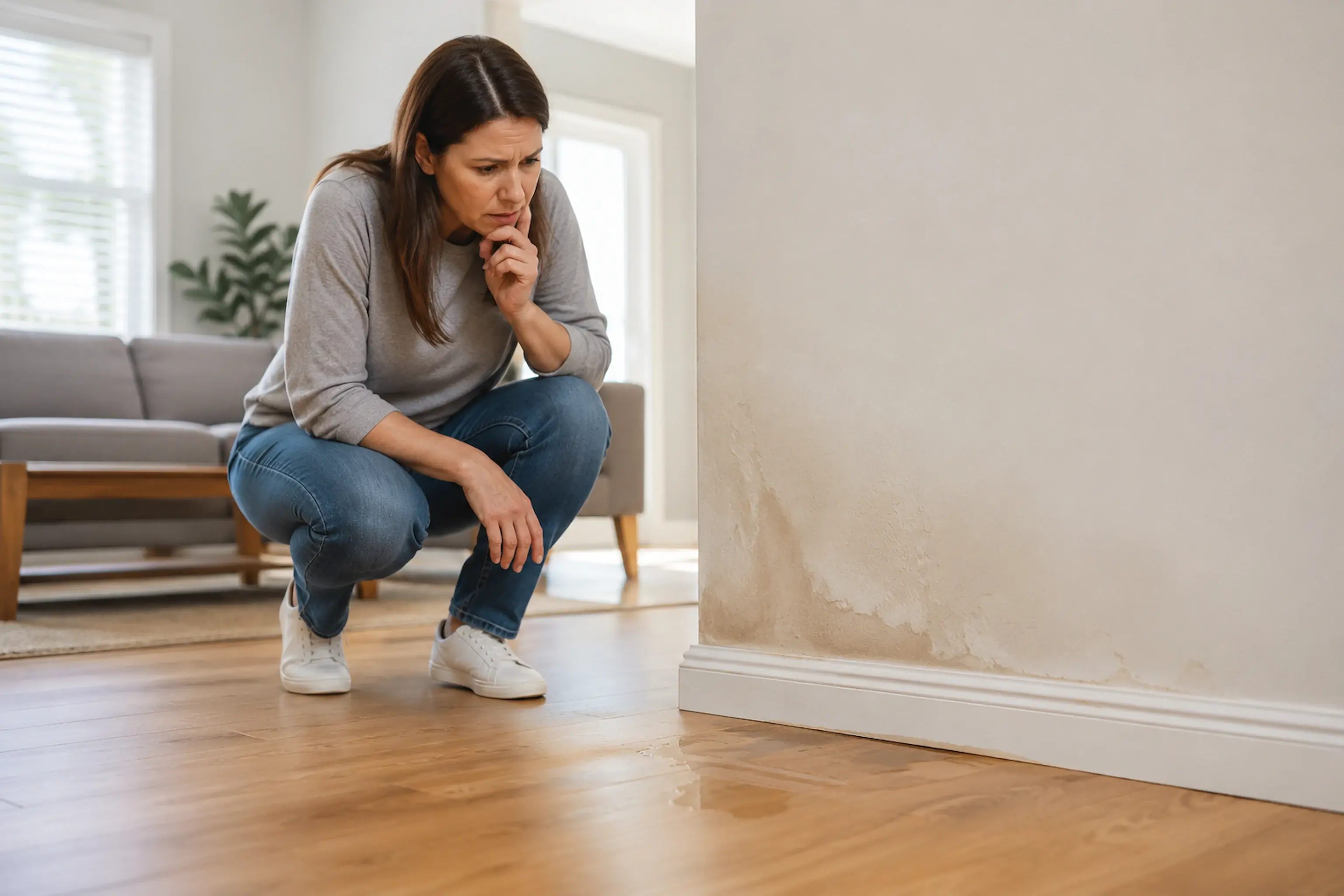
A musty odour is a clear indicator that mould may have begun to colonise beneath the carpet surface. Even if the carpet seems dry to the touch, the underlay or subfloor could already be affected. A professional wet carpet drying specialist will assess hidden moisture and treat the affected areas before mould spreads further.
Carpet Has Buckled, Lifted, Or Separated From The Gripper
Visible warping or lifting is a sign of deep moisture penetration and possible subfloor issues. This damage cannot be corrected with household tools alone. Specialist drying techniques, including controlled air movement and moisture monitoring, are needed to restore the carpet safely and prevent permanent damage.
Why You Need to Act Fast
Moisture in carpets and underlays doesn’t wait. Mould spores begin to colonise in as little as 24 hours, becoming well-established within 72 hours. Once mould sets in, costs skyrocket because you may need underlay replacement, subfloor remediation or even a full carpet replacement.
Contacting a professional water damage restoration business early is far cheaper than replacing carpet and treating mould. Knowing how to dry wet carpet correctly at the earliest stage can save time, money and a whole lot of stress.
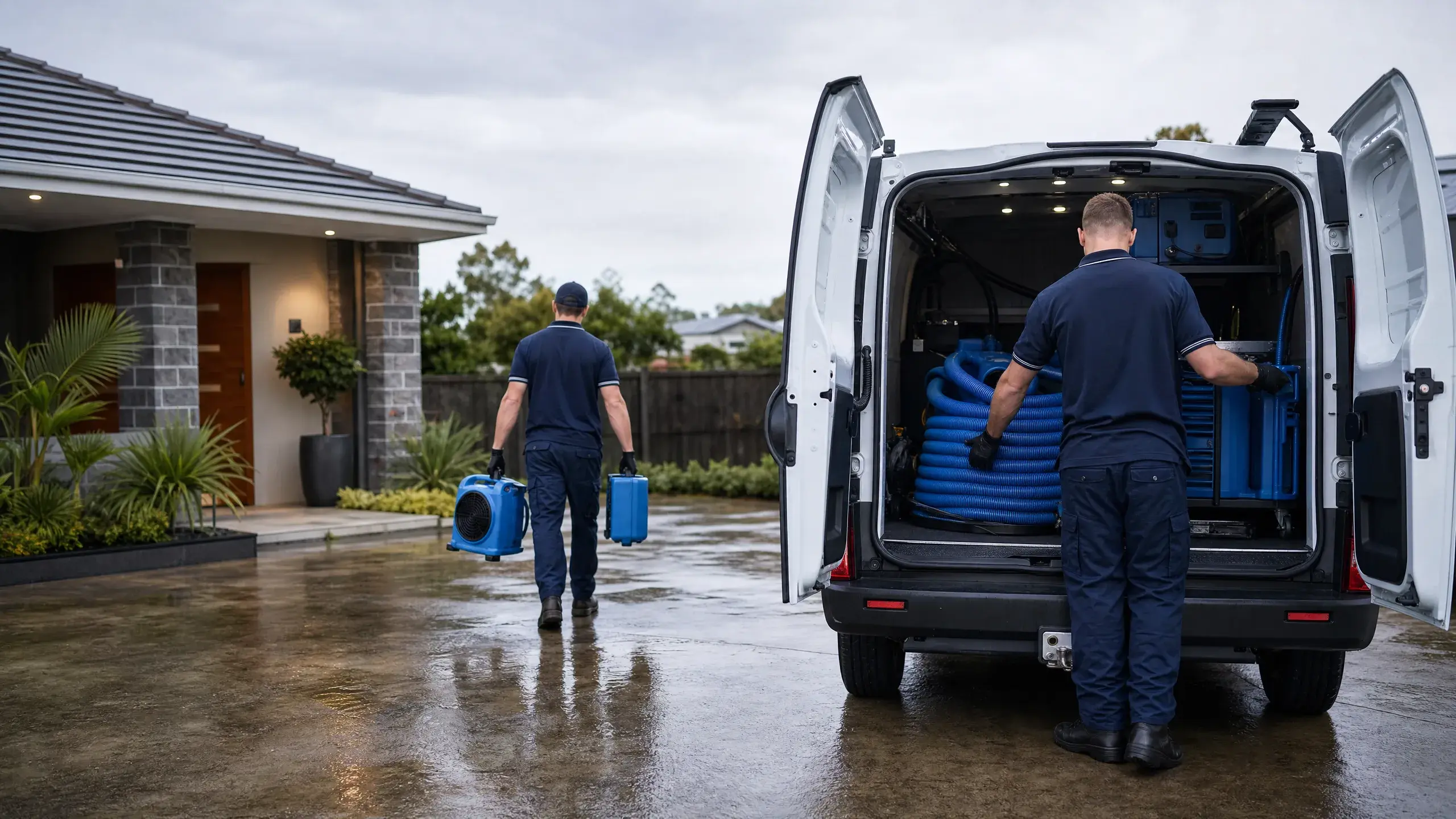
What the Professionals Actually Do
When you call a professional wet carpet drying business, here’s what happens:
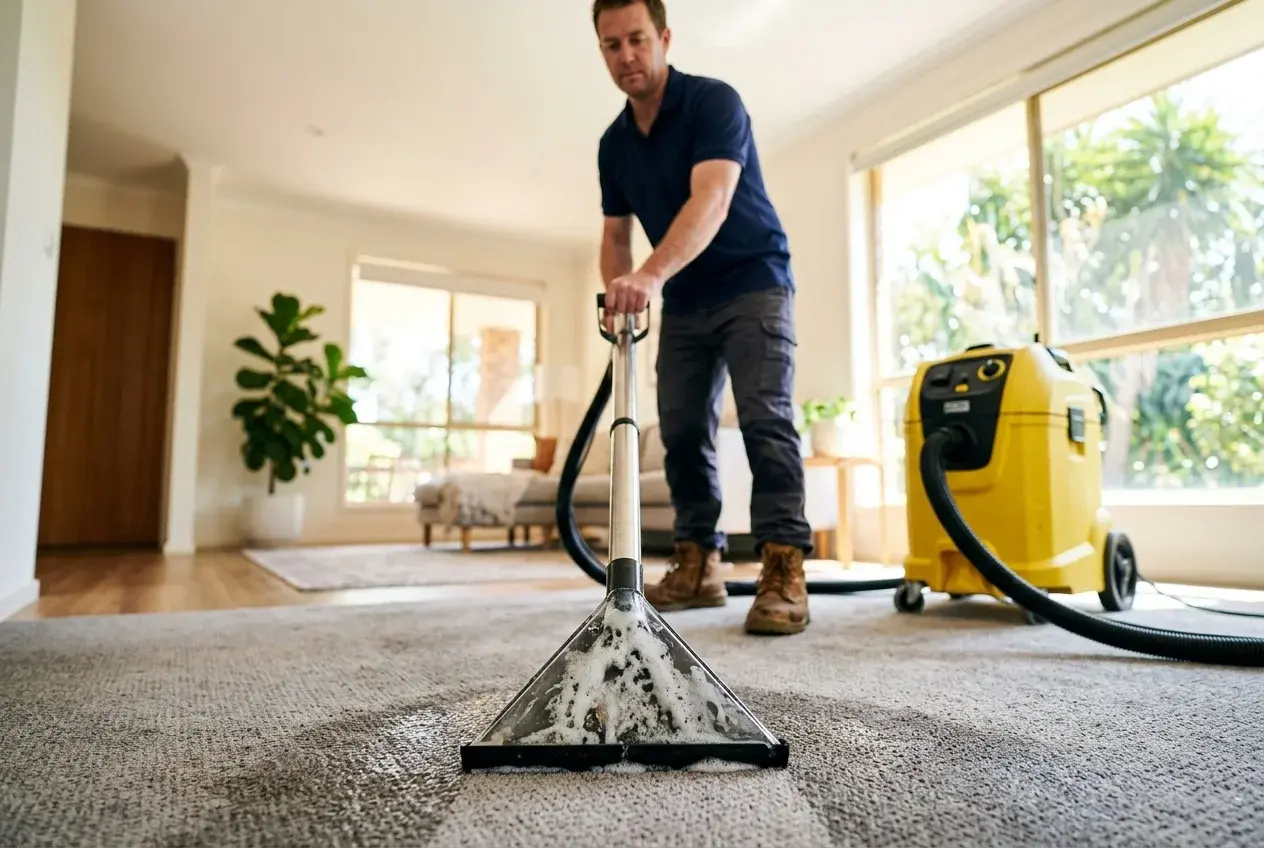
- High-powered water extraction
- Moisture metering to find hidden damp
- Air movers and dehumidifiers for controlled drying
- Antimicrobial treatment to prevent mould
- Detailed drying documentation for insurance
This is the work you are paying for: Factual, measurable and aimed at saving your carpet and property while demonstrating how to dry wet carpet properly.
Safeguard Your Business From Floodwater
If any of the professional triggers above apply, contact a professional wet carpet drying specialist today.
Call DryX now on 1800 316 967 or request a quote online to protect your carpet today.